Why Your Back Pain Keeps Coming Back
A chiropractic guide to posture, mobility, and recurring back discomfort.
 5th Lane, Dwaraka Nagar, Visakhapatnam
 All Days - IST 10AM-2PM & 5PM-8PM
 +91 8333 939 234, 898 3636 234
A simple Naturopathy Journal guide to cupping therapy, muscle comfort, circulation support, recovery support, and deep relaxation through doctor-guided care.
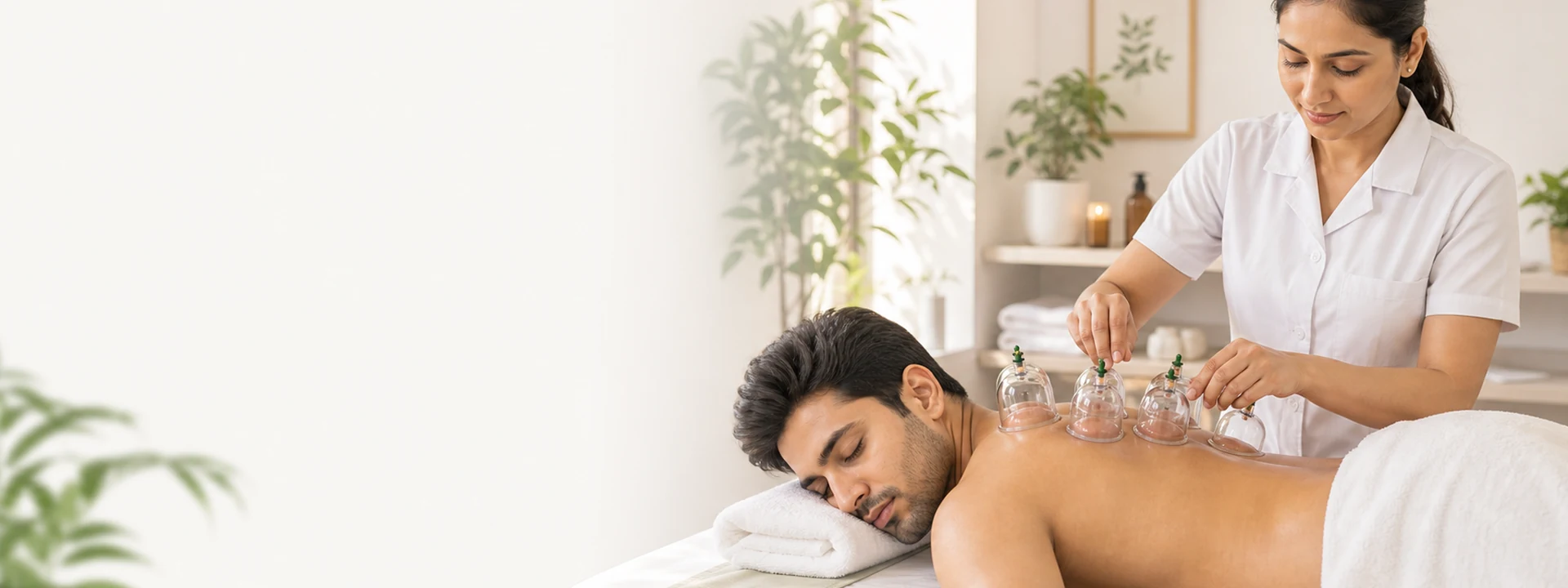
Muscle tightness can build from long sitting, posture strain, stress, intense exercise, or poor recovery. It is often felt around the neck, shoulders, back, or legs.
Cupping therapy is a naturopathy wellness support that may help with muscle comfort, circulation, recovery, and relaxation when performed safely by a trained therapist.
Cupping therapy uses clean therapy cups to create controlled suction on selected areas. It is commonly used to support muscle relaxation, local circulation, and recovery.
The method should feel controlled, hygienic, and personalized. Temporary circular marks can appear after cupping and usually fade with time.
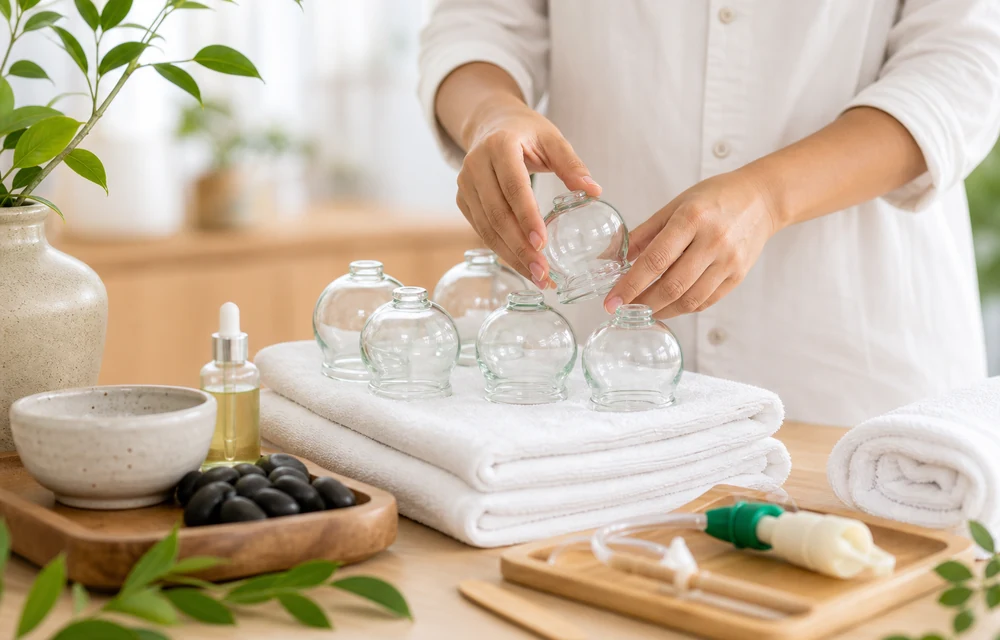
Muscle tightness is often the body asking for recovery. Long desk hours, travel, workouts, stress, poor sleep, dehydration, and repeated posture strain can keep the same tension pattern coming back.
Cupping may support soft tissue relaxation, ease stiffness, and encourage more comfortable movement. The goal is gentle recovery support, not forced pressure or instant cure.
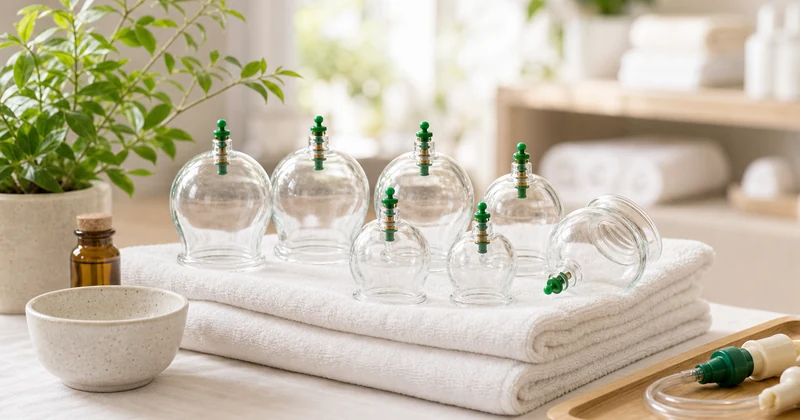
Cupping is commonly used to support local circulation in the treated area. People with blood-thinner use, bleeding disorders, severe varicose veins, fragile skin, or medical concerns should consult a qualified professional first.
Many adults explore cupping after workouts, sports activity, long workdays, or stress-related body tension. It works best as part of a wider routine that includes movement, hydration, rest, posture awareness, and doctor-guided care when stiffness keeps returning.
Supports muscle comfort and body stiffness support
May help with relaxation support and recovery support
Works best when care is personalized and professionally guided
A safe session begins with a brief assessment of pain areas, skin health, medical history, medicines, sensitivity, and comfort level before the therapist chooses the right areas and technique.
Cupping may be considered by adults with muscle tightness, back stiffness, neck and shoulder tension, stress-related body tension, sports recovery needs, or general relaxation goals. A trained therapist can decide whether it suits your body and health history.
Cupping is not suitable for everyone. Avoid it on open wounds, skin infections, active inflammation, recent injuries, severe varicose veins, or fragile and irritated skin.
Consult a qualified professional first if you have bleeding disorders, blood-thinner use, pregnancy-related concerns, uncontrolled diabetes, serious medical conditions, unusual swelling, fever, numbness, weakness, or worsening symptoms.
This article is for educational purposes only and should not replace professional medical advice, diagnosis, or treatment.
At Sparsa Homeocare, cupping therapy in Visakhapatnam is planned around suitability, hygiene, trained therapist technique, comfort, posture habits, recovery needs, and realistic wellness goals.
Cupping therapy uses suction to support muscle comfort and relaxation
It may help with circulation support, recovery support, and stiffness support
Safe results depend on trained technique, hygiene, and personalized care
Cupping therapy is a natural wellness therapy where cups create gentle suction on the skin to support muscle comfort, relaxation, circulation support, and recovery support.
Cupping may help release muscle tension by encouraging local circulation support and soft tissue relaxation. It should be comfortable and performed by a trained therapist.
Cupping is commonly used for local circulation support in the treated area. People with circulation, bleeding, or medication concerns should consult a doctor first.
Temporary circular marks are common and usually fade. Severe pain, unusual swelling, fever, infection signs, numbness, or weakness should be medically reviewed.
Avoid cupping with open wounds, skin infection, active inflammation, severe varicose veins, bleeding disorders, or blood-thinner use unless medically advised.
Book a consultation with Sparsa Homeocare and learn whether cupping therapy is appropriate for your muscle tension, circulation, recovery, and relaxation goals.