
Cupping Therapy Explained
Learn how cupping therapy may help release muscle tension naturally.
 5th Lane, Dwaraka Nagar, Visakhapatnam
 All Days - IST 10AM-2PM & 5PM-8PM
 +91 8333 939 234, 898 3636 234
A practical naturopathy journal guide to recurring back pain, posture strain, mobility limits, and doctor-guided chiropractic support for everyday movement comfort.

Back pain is one of the most common reasons people slow down, avoid movement, or depend on quick relief. For many adults, the discomfort improves for a while and then returns after long sitting, travel, lifting, poor sleep, stress, or another busy workday.
When back pain keeps coming back, the concern is often not only the painful area. Posture, mobility, spinal strain, weak core muscles, muscle tightness, daily work habits, sleep position, and stress-related tension can all play a role.
Recurring back pain relief often needs more than temporary rest. If the same posture strain, sitting pattern, muscle imbalance, or mobility restriction continues, the back may keep reacting in the same way.
Chiropractic care for back pain focuses on musculoskeletal support, posture improvement, spinal alignment support, and better movement habits. The aim is not to promise a quick fix, but to understand the pattern and support the body more responsibly.

Back pain from sitting, lower back pain support needs, neck stiffness, and shoulder discomfort often overlap. The back works as part of a chain, so stiffness in one area can change how another area moves.
Posture and back pain are closely connected. When the head moves forward, shoulders round, or the lower back stays unsupported for hours, muscles must work harder to keep the body upright.
Over time, this may contribute to neck stiffness, back tightness, headaches, fatigue, and recurring discomfort. A chiropractic posture guide can help identify which daily positions may be loading your spine more than necessary.
Mobility and back pain are also linked. If the hips, thoracic spine, shoulders, or hamstrings do not move well, the lower back may compensate. That compensation can create repeated strain during sitting, bending, lifting, or exercise.
Mobility support does not mean forcing painful stretches. It means improving comfortable range, reducing stiffness, and helping the body move with less strain.
Chiropractic care may help by supporting spinal alignment, posture correction, mobility, reduced stiffness, musculoskeletal balance, and everyday movement comfort. A personalized physical assessment helps guide what support is appropriate for your body.
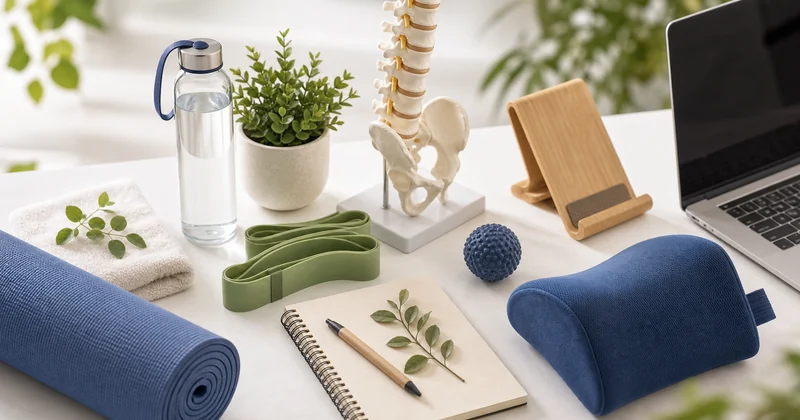
Natural support for back pain is often built through small daily habits. These are not replacements for care, but they can support better posture awareness and healthier movement.
Set up ergonomic sitting and take regular posture breaks
Use gentle mobility exercises and walking through the day
Support sleep, hydration, core strength, and recovery
Consult a qualified professional if back pain keeps returning, limits daily activity, affects sleep, causes repeated stiffness, or does not improve with sensible posture and movement changes.
Seek medical attention if back pain follows an injury, is associated with numbness, weakness, unexplained fever, bladder or bowel changes, severe stiffness, or persistent worsening symptoms. This article is for educational purposes only and should not replace professional medical advice or diagnosis.
At Sparsa Homeocare, chiropractic care in Visakhapatnam begins with a consultation-first approach. We review posture, mobility, pain triggers, work routine, sitting habits, sleep position, stress patterns, muscle tightness, and everyday movement.
The goal is personalized care, non-invasive musculoskeletal support, and practical guidance that helps you move more confidently. Chiropractic support works best when paired with better posture habits, mobility work, and a routine designed around your body.
Recurring back pain often has posture and movement patterns behind it
Chiropractic support may help with spinal alignment and mobility
Long-term comfort needs personalized care and daily habit support
It may be linked with posture strain, long sitting, weak core muscles, tightness, limited mobility, improper lifting, stress tension, or spinal alignment concerns.
Poor posture can increase stress on the spine, muscles, neck, and shoulders. Over time, this may contribute to stiffness, discomfort, and reduced mobility.
Doctor-guided chiropractic care may support spinal alignment, posture improvement, mobility, muscle balance, and everyday movement comfort through personalized assessment.
Stretching, walking, posture awareness, ergonomic sitting, hydration, sleep support, gentle mobility work, and movement breaks may support back comfort.
Seek evaluation if pain follows injury, keeps worsening, or comes with numbness, weakness, fever, bladder or bowel changes, or severe stiffness.
Speak with Sparsa Homeocare for personalized chiropractic support, posture guidance, and long-term mobility-focused wellness care.